OEM Empty Pod Cartridges: Risk Control for Distributors
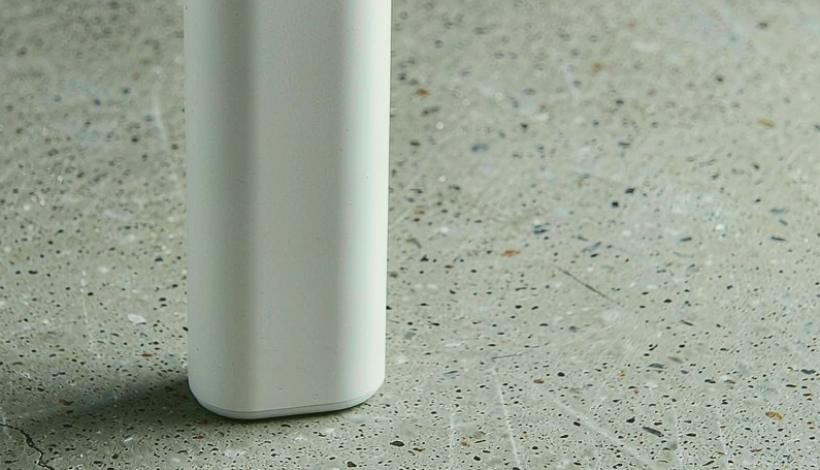
This guide to Empty Refillable Pod Cartridges is written for online sellers who need repeatable supply rather than a one-off purchase. It focuses on the decisions that change your landed cost and your shelf availability, and skips the parts that do not.
Storage, Handling and Shelf Life
Empty Refillable Pod Cartridges degrades in predictable ways: heat, light and time. Store in a cool, dry place away from direct sunlight and rotate stock by production date. Those two habits prevent most of the quality complaints that get blamed on the factory.
Warehouse conditions matter more for Empty Refillable Pod Cartridges than most buyers assume. A few degrees of temperature difference over a summer changes how the product presents on the shelf. If you are storing through a hot season, plan for it rather than discovering it in returns.
Who Buys Empty Refillable Pod Cartridges and Why
online sellers tend to reorder Empty Refillable Pod Cartridges on a rhythm rather than in one large batch. That rhythm is driven by shelf turnover, seasonal footfall and how quickly a flavour or format goes stale in the local market. Understanding who your end buyer is makes the reorder maths much easier.
The buyers behind Empty Refillable Pod Cartridges orders are usually pragmatic. They care about whether the product sells through, whether it arrives intact, and whether the next shipment will match the last one. Everything else is secondary, which is why consistency beats novelty in most reorder conversations.
Demand for Empty Refillable Pod Cartridges rarely comes from a single customer type. Some online sellers want steady replacement stock, others want something seasonal they can merchandise for six weeks. Those two buying patterns need different carton sizes and different delivery windows, so it is worth separating them when you plan.
Risk Management for Large Shipments
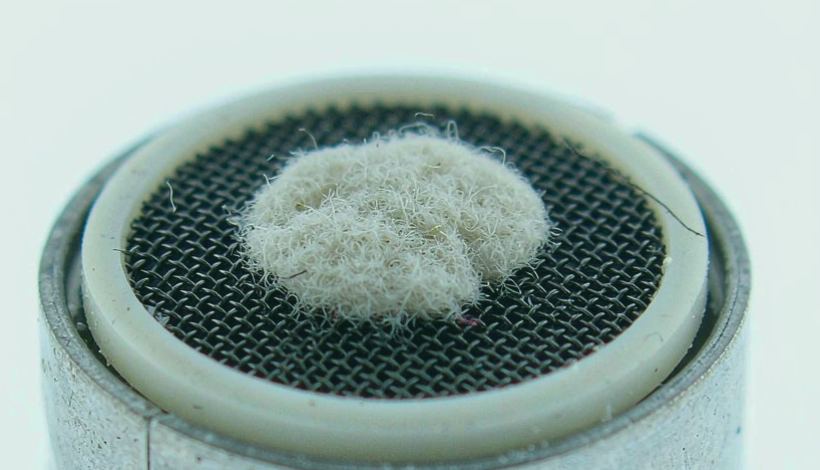
The simplest risk control for Empty Refillable Pod Cartridges is a documented paper trail: approved sample, written specification, inspection report and shipment photographs. When something does go wrong, that file is what turns a dispute into a claim.
Insurance on Empty Refillable Pod Cartridges shipments is inexpensive relative to the exposure, particularly for sea freight where transit is long and handling points are numerous. Confirm what the policy covers and what it excludes before you rely on it.
OEM and Private Label Possibilities
If you are considering a private label version of Empty Refillable Pod Cartridges, ask what the factory needs from you: artwork format, colour reference, quantity per variant and lead time for the first run. Clear inputs at the start quietly remove weeks from the schedule.
Private label on Empty Refillable Pod Cartridges usually starts with artwork and ends with tooling. In between sit choices about colourways, packaging structure and minimum runs per variant. Understanding which of those carry a setup cost tells you how far you can differentiate without inflating the first order.
OEM work on Empty Refillable Pod Cartridges is most cost-effective when you change what the factory can already do. A different colour, a printed logo or a reworked carton costs far less than a new mould, and it gets you a recognisable product much faster.
| Specification | Typical Range | Why It Matters |
|---|---|---|
| Unit specification | 8–9 variant range | Defines what the factory must hold |
| Master carton | 30 units per carton | Drives freight cost per unit |
| Production lead time | 8–9 working days | Sets your reorder point |
| Inspection window | 30 day report turnaround | Must fit before vessel cut-off |
Margin Maths for Retailers
Retailers who track Empty Refillable Pod Cartridges by margin per shelf metre rather than margin per unit consistently make better range decisions. The product that earns slightly less per unit but turns twice as fast is usually the better use of the space.
A useful exercise with Empty Refillable Pod Cartridges: calculate what a 8 percent improvement in landed cost does to annual profit, and compare that with what a 8 percent price increase does. The first is usually easier and does not risk volume.
Building A Repeatable Replenishment Cycle
Most importers of Empty Refillable Pod Cartridges who move to a fixed monthly cycle report the same benefit: fewer emergencies. The total volume ordered barely changes, but the number of urgent shipments drops sharply.
A repeatable cycle for Empty Refillable Pod Cartridges has three inputs: weekly sell-through, lead time and buffer. Once those are written down, reordering becomes a routine task instead of a decision, and routine tasks are the ones that actually happen.
Scheduled replenishment for Empty Refillable Pod Cartridges gives you leverage you do not get with ad-hoc orders. A supplier who can see your next four shipments will prioritise your production slot, and that priority is worth more than a small discount.
Retail Merchandising Ideas That Move Stock
Merchandising Empty Refillable Pod Cartridges well is mostly about legibility. A shopper should be able to identify the product type and the variant from a metre away. If they have to pick things up to compare, you have already lost part of the sale.
Group Empty Refillable Pod Cartridges by use case rather than by supplier. Shoppers buy to solve a need, and a display organised around need consistently outperforms one organised around the way the catalogue is printed.
- Plan cartons around real handling, not catalogue photos
- Track weekly sell-through to catch the seasonal turn
- Confirm labelling rules for the destination at order time
- Keep a reorder calendar instead of reacting to stockouts
- Agree the specification in writing before sampling Empty Refillable Pod Cartridges
If you want to move on Empty Refillable Pod Cartridges, the fastest next step is a specification and a sample. Send us your target quantity and destination and we will come back with options, timings and a landed cost you can compare against what you have today.
Frequently asked questions
What is the usual minimum order for Empty Refillable Pod Cartridges?
Most Empty Refillable Pod Cartridges production runs start at a carton-level minimum rather than a single unit. The exact figure depends on how many variants you need and whether the packaging is standard or custom printed, so it is worth asking with your actual mix in mind.
What happens if a Empty Refillable Pod Cartridges shipment arrives damaged?
Report it within the agreed window with photographs and carton references and we will work through a credit or replacement. This is much faster when an inspection report exists, which is why we recommend one for larger orders.
Do you provide samples of Empty Refillable Pod Cartridges before a bulk order?
Samples are available and we recommend them. A small batch rather than a single unit gives a truer picture of production consistency, and the sample cost is normally credited against a confirmed order.
What is the best way to start a Empty Refillable Pod Cartridges enquiry?
The most useful starting message is short: product, approximate quantity, destination and target timing. With those four pieces of information we can usually respond with real options the same working day.
Can you handle repeat or scheduled Empty Refillable Pod Cartridges orders?
Yes, and it suits both sides. A scheduled cycle lets us reserve production capacity, which shortens lead times and makes pricing more stable than ad-hoc ordering.
Related reading
Talk to us about empty refillable pod cartridges bulk
Send us your target quantity, destination and timing. We answer with real options and a landed cost you can compare — normally within one working day.