OEM Empty Pod Cartridges: MOQ and Pricing for Online Sellers
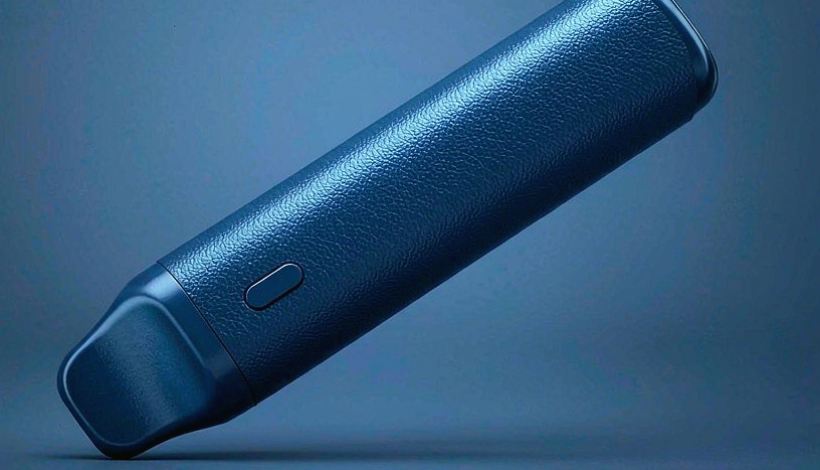
Empty Refillable Pod Cartridges looks straightforward until you start comparing quotations. Then the variables appear: carton sizes, labelling rules, tolerances, freight terms. The notes below walk through them in the order a real order encounters them.
Pricing Structure and Where The Money Goes
Unit price is only part of what Empty Refillable Pod Cartridges costs you. Tooling, labelling, carton packing, inland haulage, port charges and payment fees all sit on top. A quotation that looks 15 percent cheaper can reverse once those lines are added, so compare landed cost, not the headline number.
Price breaks on Empty Refillable Pod Cartridges usually step at carton, pallet and container levels rather than sliding smoothly. Knowing where those steps sit tells you whether adding another 8 units actually improves your margin or just ties up cash in the warehouse.
What Empty Refillable Pod Cartridges Actually Covers
Before comparing prices, it helps to agree on what counts as Empty Refillable Pod Cartridges. In day-to-day trade the term covers a fairly wide band of products, and two suppliers can quote very different things under the same label. Ask for a specification sheet that lists materials, dimensions and what is included in each unit, then compare that against what actually arrives in the carton.
The phrase Empty Refillable Pod Cartridges gets used loosely in export enquiries, which is why quotations sometimes look impossible to compare. One factory may price a bare unit while another includes retail packaging, labelling and a master carton. Getting the scope written down first saves a round of emails and, more importantly, stops you from discovering the difference after the goods land.
Scope is the first thing to pin down with Empty Refillable Pod Cartridges. Hardware, consumables and packaging are often bundled differently depending on the factory, so a low unit price can quietly hide a higher landed cost. A one-page specification agreed before sampling removes most of that ambiguity.
Working with Agents Versus Direct Factories
Going direct on Empty Refillable Pod Cartridges works well once your specification is stable and your volume is predictable. Before that point, an agent's ability to chase a production slot is often worth the margin.
The honest test: ask whether the agent can tell you something about Empty Refillable Pod Cartridges production that you could not learn from the factory's own quotation. If not, you are paying for an introduction.
OEM and Private Label Possibilities
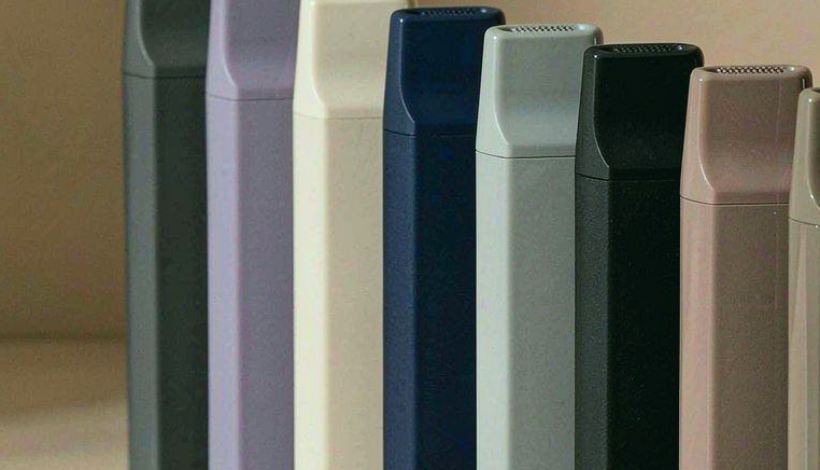
Private label on Empty Refillable Pod Cartridges usually starts with artwork and ends with tooling. In between sit choices about colourways, packaging structure and minimum runs per variant. Understanding which of those carry a setup cost tells you how far you can differentiate without inflating the first order.
OEM work on Empty Refillable Pod Cartridges is most cost-effective when you change what the factory can already do. A different colour, a printed logo or a reworked carton costs far less than a new mould, and it gets you a recognisable product much faster.
If you are considering a private label version of Empty Refillable Pod Cartridges, ask what the factory needs from you: artwork format, colour reference, quantity per variant and lead time for the first run. Clear inputs at the start quietly remove weeks from the schedule.
| Cost Component | Share of Landed Cost | Notes |
|---|---|---|
| Product cost | 15% of landed cost | Moves with volume and specification |
| Packaging | 5% of landed cost | Higher for retail-ready formats |
| Freight and handling | 8% of landed cost | Route and season dependent |
| Duty and clearance | Destination specific | Follows from classification |
Customs, Duties and Compliance Paperwork
Paperwork delays cost more than duties on most Empty Refillable Pod Cartridges imports. A complete set — commercial invoice, packing list, certificate of origin and any product-specific declaration — should be prepared while the goods are in production, not requested the week of arrival.
Compliance for Empty Refillable Pod Cartridges is destination-specific and it changes. Rather than memorising rules, build a short checklist per market and refresh it at each order. It takes twenty minutes and prevents the expensive kind of surprise.
Storage, Handling and Shelf Life
Good stock rotation on Empty Refillable Pod Cartridges is simple: label by arrival date, pick oldest first, and keep a small buffer that is never touched. That buffer is what stops an unexpected demand spike from turning into an emergency air shipment.
Warehouse conditions matter more for Empty Refillable Pod Cartridges than most buyers assume. A few degrees of temperature difference over a summer changes how the product presents on the shelf. If you are storing through a hot season, plan for it rather than discovering it in returns.
Empty Refillable Pod Cartridges degrades in predictable ways: heat, light and time. Store in a cool, dry place away from direct sunlight and rotate stock by production date. Those two habits prevent most of the quality complaints that get blamed on the factory.
Seasonal Demand and Reorder Timing
Most stockouts on Empty Refillable Pod Cartridges are planning failures rather than supply failures. The goods were available; the order simply went in three weeks late. A written reorder calendar removes most of that risk for very little effort.
Reorder timing for Empty Refillable Pod Cartridges should be calculated backwards from the shelf, not forwards from the factory. Start with the week you need stock, subtract the realistic transit window, add a buffer for inspection, and you have your order date.
- Request the full document set during production
- Treat the first shipment as a test and the second as the real order
- Split very large Empty Refillable Pod Cartridges orders across production slots
- Ask which components are stocked as spares
- Plan cartons around real handling, not catalogue photos
Whether you need a single carton to test or a container to fill a season, the process for Empty Refillable Pod Cartridges is the same. Reach out with your requirements and we will respond with specifics rather than a brochure.
Frequently asked questions
What payment terms are available for Empty Refillable Pod Cartridges?
Standard terms are a deposit with the balance before shipment, with alternatives available for established accounts on scheduled programmes. We will outline what is possible once we understand the size and frequency of your orders.
How long does a Empty Refillable Pod Cartridges order take to arrive?
Production for Empty Refillable Pod Cartridges commonly runs two to four weeks depending on specification and packaging, with transit added on top. Sea freight adds several weeks, air considerably less. We quote a realistic window rather than a best case.
How do you price Empty Refillable Pod Cartridges compared with a trading company?
We quote from the production side, so product, packaging and logistics are listed separately rather than folded into one number. That makes comparison easier and usually shows where a competing quote has hidden its margin.
What is the best way to start a Empty Refillable Pod Cartridges enquiry?
The most useful starting message is short: product, approximate quantity, destination and target timing. With those four pieces of information we can usually respond with real options the same working day.
How do I know the Empty Refillable Pod Cartridges I reorder will match the last batch?
We keep the approved specification and sample reference on file for every order and check against it at inspection. If a component changes, you hear about it before production rather than at delivery.
Related reading
Talk to us about empty refillable pod cartridges bulk
Send us your target quantity, destination and timing. We answer with real options and a landed cost you can compare — normally within one working day.