OEM Empty Pod Cartridges: Lead Times for Supermarket Buyers

This guide to Empty Refillable Pod Cartridges is written for specialty tobacconists who need repeatable supply rather than a one-off purchase. It focuses on the decisions that change your landed cost and your shelf availability, and skips the parts that do not.
Packaging, Labelling and Shelf Readiness
Retail-ready packaging changes the economics of Empty Refillable Pod Cartridges more than most buyers expect. Barcodes, language variants and warning statements vary by destination, and fixing them after production means relabelling by hand. Confirm the artwork requirements for your market before the run starts.
Labelling rules move, and Empty Refillable Pod Cartridges is no exception. Build a habit of confirming the current requirement for each destination at the point of order rather than reusing last year's artwork file. The cost of a reprint is small; the cost of a detained shipment is not.
Documentation Set You Should Request
Ask for a complete document set with Empty Refillable Pod Cartridges: invoice, packing list, origin certificate, batch identification and any product-specific test reports. Requesting them during production is routine; requesting them after arrival is a problem.
Keep a single folder per Empty Refillable Pod Cartridges shipment: quotation, approved sample reference, inspection report and shipping documents. Six months later, when you are reordering, that folder is the fastest way to repeat a good result.
Good documentation on Empty Refillable Pod Cartridges tells you who made the goods, when, and to what specification. That matters for traceability if a batch is ever questioned, and it matters for your own stock rotation.
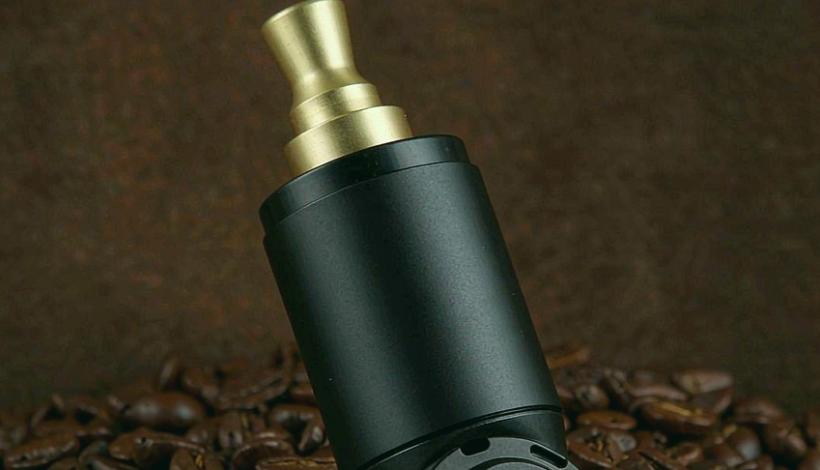
Who Buys Empty Refillable Pod Cartridges and Why
specialty tobacconists tend to reorder Empty Refillable Pod Cartridges on a rhythm rather than in one large batch. That rhythm is driven by shelf turnover, seasonal footfall and how quickly a flavour or format goes stale in the local market. Understanding who your end buyer is makes the reorder maths much easier.
The buyers behind Empty Refillable Pod Cartridges orders are usually pragmatic. They care about whether the product sells through, whether it arrives intact, and whether the next shipment will match the last one. Everything else is secondary, which is why consistency beats novelty in most reorder conversations.
Retail Merchandising Ideas That Move Stock
Rotate the Empty Refillable Pod Cartridges facing every few weeks. Even without changing the range, moving the position refreshes attention and surfaces stock that has settled into a blind spot near the counter.
Group Empty Refillable Pod Cartridges by use case rather than by supplier. Shoppers buy to solve a need, and a display organised around need consistently outperforms one organised around the way the catalogue is printed.
Merchandising Empty Refillable Pod Cartridges well is mostly about legibility. A shopper should be able to identify the product type and the variant from a metre away. If they have to pick things up to compare, you have already lost part of the sale.
| Specification | Typical Range | Why It Matters |
|---|---|---|
| Unit specification | 12–3 variant range | Defines what the factory must hold |
| Master carton | 10 units per carton | Drives freight cost per unit |
| Production lead time | 12–3 working days | Sets your reorder point |
| Inspection window | 10 day report turnaround | Must fit before vessel cut-off |
Shipping Routes, Transit Time and Freight Options
Freight quotes for Empty Refillable Pod Cartridges move with fuel surcharges, currency and space availability. Ask whether the rate is fixed for a period or spot-quoted per shipment, because that single detail determines how predictable your landed cost will be over a year.
Choosing between sea, air and express for Empty Refillable Pod Cartridges is a margin question, not a speed question. Sea freight protects unit economics on planned volume; air rescue shipments protect shelf availability. Most importers end up using both, and planning for that is cheaper than improvising.
Margin Maths for Retailers
Margin on Empty Refillable Pod Cartridges is decided at the purchase stage. Landed cost per sellable unit, not unit price, is the number that matters — and it includes freight, duty, shrinkage and the small percentage that never sells at full price.
A useful exercise with Empty Refillable Pod Cartridges: calculate what a 12 percent improvement in landed cost does to annual profit, and compare that with what a 12 percent price increase does. The first is usually easier and does not risk volume.
Retailers who track Empty Refillable Pod Cartridges by margin per shelf metre rather than margin per unit consistently make better range decisions. The product that earns slightly less per unit but turns twice as fast is usually the better use of the space.
Quality Control Steps That Catch Problems Early
Inspection works when it happens before shipment. A pre-shipment check on Empty Refillable Pod Cartridges covering quantity, appearance, function and packaging typically takes a day and costs a fraction of a return. Book it early enough that a failed report still leaves time to rework.
The most useful QC report for Empty Refillable Pod Cartridges is a boring one: carton count, defect rate by category, photographs of the packing method, and a clear pass or fail. Narrative reports that hedge are far less useful than a simple count you can hold someone to.
- Confirm labelling rules for the destination at order time
- Book inspection while there is still time to rework
- Track weekly sell-through to catch the seasonal turn
- Split very large Empty Refillable Pod Cartridges orders across production slots
- Use one approved sample reference for every repeat order
If you want to move on Empty Refillable Pod Cartridges, the fastest next step is a specification and a sample. Send us your target quantity and destination and we will come back with options, timings and a landed cost you can compare against what you have today.
Frequently asked questions
How long does a Empty Refillable Pod Cartridges order take to arrive?
Production for Empty Refillable Pod Cartridges commonly runs two to four weeks depending on specification and packaging, with transit added on top. Sea freight adds several weeks, air considerably less. We quote a realistic window rather than a best case.
Can I get Empty Refillable Pod Cartridges with my own branding?
Yes — private label is available on most Empty Refillable Pod Cartridges lines. The usual options are printed logos, custom colourways and bespoke outer packaging. Each carries a different setup cost and minimum, which we list separately in the quotation.
How do I know the Empty Refillable Pod Cartridges I reorder will match the last batch?
We keep the approved specification and sample reference on file for every order and check against it at inspection. If a component changes, you hear about it before production rather than at delivery.
How is Empty Refillable Pod Cartridges packed for export?
Packing depends on the product and route, but the principle is the same: inner protection, a rigid master carton and a pallet pattern that survives handling. We can send photographs of the packing method before dispatch.
What happens if a Empty Refillable Pod Cartridges shipment arrives damaged?
Report it within the agreed window with photographs and carton references and we will work through a credit or replacement. This is much faster when an inspection report exists, which is why we recommend one for larger orders.
Related reading
Talk to us about empty refillable pod cartridges bulk
Send us your target quantity, destination and timing. We answer with real options and a landed cost you can compare — normally within one working day.