Empty Pod Cartridges Trade: MOQ and Pricing for Online Sellers

Whether you are replenishing an existing line or evaluating Empty Refillable Pod Cartridges for the first time, the same fundamentals apply: know the specification, know the landed cost, and know who is accountable if something is wrong.
Margin Maths for Retailers
A useful exercise with Empty Refillable Pod Cartridges: calculate what a 8 percent improvement in landed cost does to annual profit, and compare that with what a 8 percent price increase does. The first is usually easier and does not risk volume.
Margin on Empty Refillable Pod Cartridges is decided at the purchase stage. Landed cost per sellable unit, not unit price, is the number that matters — and it includes freight, duty, shrinkage and the small percentage that never sells at full price.
Sustainability and Packaging Waste
Packaging waste is becoming a purchasing question rather than a marketing one. Right-sizing cartons for Empty Refillable Pod Cartridges reduces both material cost and freight cost, which makes it one of the few changes that helps margin and footprint at once.
Small packaging decisions on Empty Refillable Pod Cartridges compound: a carton that is 8 percent smaller often means more units per pallet, which means fewer pallets, which means lower freight per unit.
If your market expects recyclable materials for Empty Refillable Pod Cartridges, ask what the factory can actually supply rather than assuming. The gap between what is available and what is requested is usually narrower than buyers expect.
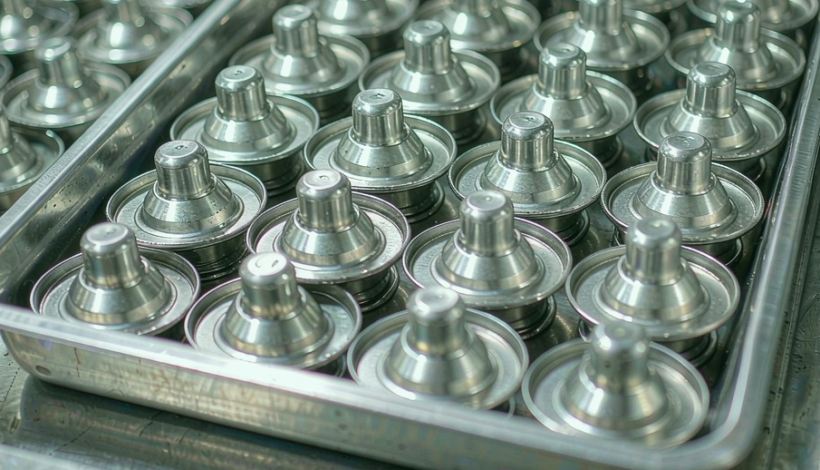
Working with Agents Versus Direct Factories
Going direct on Empty Refillable Pod Cartridges works well once your specification is stable and your volume is predictable. Before that point, an agent's ability to chase a production slot is often worth the margin.
Agents add value on Empty Refillable Pod Cartridges when you need local follow-up, consolidation across factories or help with documentation. They add cost when all you need is a single product from a single line.
What Empty Refillable Pod Cartridges Actually Covers
The phrase Empty Refillable Pod Cartridges gets used loosely in export enquiries, which is why quotations sometimes look impossible to compare. One factory may price a bare unit while another includes retail packaging, labelling and a master carton. Getting the scope written down first saves a round of emails and, more importantly, stops you from discovering the difference after the goods land.
Before comparing prices, it helps to agree on what counts as Empty Refillable Pod Cartridges. In day-to-day trade the term covers a fairly wide band of products, and two suppliers can quote very different things under the same label. Ask for a specification sheet that lists materials, dimensions and what is included in each unit, then compare that against what actually arrives in the carton.
Scope is the first thing to pin down with Empty Refillable Pod Cartridges. Hardware, consumables and packaging are often bundled differently depending on the factory, so a low unit price can quietly hide a higher landed cost. A one-page specification agreed before sampling removes most of that ambiguity.
| Cost Component | Share of Landed Cost | Notes |
|---|---|---|
| Product cost | 8% of landed cost | Moves with volume and specification |
| Packaging | 10% of landed cost | Higher for retail-ready formats |
| Freight and handling | 12% of landed cost | Route and season dependent |
| Duty and clearance | Destination specific | Follows from classification |
Specifications Worth Checking Before You Order
A good specification for Empty Refillable Pod Cartridges is measurable. Capacity, resistance, material thickness and finish should all have a stated tolerance, not a marketing range. When tolerances are missing, quality arguments later become opinion against opinion, and that is a conversation you will not win from another continent.
Three specification lines cause most disputes on Empty Refillable Pod Cartridges orders: capacity tolerance, material grade and finish consistency. Ask for measured values rather than nominal ones, and request photographs of the actual production batch instead of a catalogue render. It takes an extra day and removes most of the risk.
Pricing Structure and Where The Money Goes
Unit price is only part of what Empty Refillable Pod Cartridges costs you. Tooling, labelling, carton packing, inland haulage, port charges and payment fees all sit on top. A quotation that looks 8 percent cheaper can reverse once those lines are added, so compare landed cost, not the headline number.
Price breaks on Empty Refillable Pod Cartridges usually step at carton, pallet and container levels rather than sliding smoothly. Knowing where those steps sit tells you whether adding another 12 units actually improves your margin or just ties up cash in the warehouse.
Most surprises in Empty Refillable Pod Cartridges pricing hide in the lines nobody quotes: artwork setup, carton printing plates, extra colourways, and the difference between ex-works and delivered terms. Ask for the quotation split into product, packaging and logistics and the comparison becomes straightforward.
Packaging, Labelling and Shelf Readiness
Labelling rules move, and Empty Refillable Pod Cartridges is no exception. Build a habit of confirming the current requirement for each destination at the point of order rather than reusing last year's artwork file. The cost of a reprint is small; the cost of a detained shipment is not.
Shelf presentation is where Empty Refillable Pod Cartridges either sells or sits. Carton dimensions, facing count and how quickly a shopper can read the flavour all affect turnover. If the packaging only works in a warehouse, you have pushed that cost onto the retailer.
- Confirm labelling rules for the destination at order time
- Book inspection while there is still time to rework
- Agree the specification in writing before sampling Empty Refillable Pod Cartridges
- Treat the first shipment as a test and the second as the real order
- Keep a reorder calendar instead of reacting to stockouts
We keep the ordering process for Empty Refillable Pod Cartridges deliberately simple: agree the specification, approve a sample, confirm the carton plan, then ship. If that sounds like the way you prefer to work, get in touch with your requirements.
Frequently asked questions
What is the usual minimum order for Empty Refillable Pod Cartridges?
Most Empty Refillable Pod Cartridges production runs start at a carton-level minimum rather than a single unit. The exact figure depends on how many variants you need and whether the packaging is standard or custom printed, so it is worth asking with your actual mix in mind.
Can I get Empty Refillable Pod Cartridges with my own branding?
Yes — private label is available on most Empty Refillable Pod Cartridges lines. The usual options are printed logos, custom colourways and bespoke outer packaging. Each carries a different setup cost and minimum, which we list separately in the quotation.
What happens if a Empty Refillable Pod Cartridges shipment arrives damaged?
Report it within the agreed window with photographs and carton references and we will work through a credit or replacement. This is much faster when an inspection report exists, which is why we recommend one for larger orders.
Are there compliance requirements I should know about for Empty Refillable Pod Cartridges?
Requirements vary by destination and they change. We confirm the current position for your market at the point of order and supply the documentation that supports it, but the importer of record remains responsible for local compliance.
What payment terms are available for Empty Refillable Pod Cartridges?
Standard terms are a deposit with the balance before shipment, with alternatives available for established accounts on scheduled programmes. We will outline what is possible once we understand the size and frequency of your orders.
Related reading
Talk to us about empty refillable pod cartridges bulk
Send us your target quantity, destination and timing. We answer with real options and a landed cost you can compare — normally within one working day.